


Highlights
Today, the Missing Middle Initiative released the latest Greater Toronto Area and Greater Golden Horseshoe Housing Report Card. The full report can be downloaded at the bottom of the page.
Ontario’s housing pipeline has effectively stalled: starts are down 34% year-over-year across the 34 municipalities in our report, with condo construction collapsing by over 50%, a clear signal that the system is no longer delivering new supply at scale.
The only relatively bright spot, a 39% increase in purpose-built rental starts, isn’t nearly enough to offset steep declines in both condos and ground-oriented homes, leaving overall supply sharply constrained.
New home sales are nearly extinct. Pre-construction sales have cratered, down 89% for condos and 58% for ground-oriented homes, pointing to an even weaker construction outlook in 2026 and beyond.
This downturn in housing inevitably leads to job loss. The slowdown in starts translates into roughly 46,500 lost person-years of employment, with impacts spreading beyond Toronto into other regions.
Policy relief is coming, but timing is everything: tax reductions and development charge cuts will eventually provide substantial relief, yet uncertainty and slow implementation risk freezing the market further unless governments move quickly and decisively.
Starts are down 34% year-over-year, sales down 75%
In Summer 2025, RESCON approached the University of Ottawa’s Missing Middle Initiative to conduct an analysis of the state of new housing in Ontario. Our initial assessment, based on first- and second-quarter data from the Canada Mortgage and Housing Corporation (CMHC) and the Altus Group, was bleak.
The story, sadly, has not gotten much better now that a full year of data are available. Construction of new purpose-built rental housing in many municipalities is the only bright spot in an otherwise dismal year for new-home construction.
We examine 34 municipalities across nine metro areas in the Greater Toronto Area and the Greater Golden Horseshoe region and assess the state of housing sales and construction over the full year, relative to the totals for the previous four years (2021-24).
For the full year, housing starts are down 34% in those 34 municipalities. Condo apartment starts are down 52% relative to 2021-24 January-December averages. On the positive side, purpose-built rental starts are up 39%. Ground-oriented housing (everything other than apartments) starts are down 43%, on average, and in almost every municipality — Halton Hills, Markham, Milton, and Richmond Hill are notable exceptions — showing that the region’s housing weakness continues to extend well beyond the condo market.
2025’s decline led to nearly 50,000 lost employment years
In our Q2 2025 report, the decline in housing starts observed in the first six months translated to 24,195 fewer person-years of employment; in our Q3 2025 report, this estimate worsened to 35,377 fewer person-years of employment. This negative trend in employment has continued: the reduction in housing starts over the year relative to 2021-24 averages translates into 46,562 fewer person-years of employment (+11,185 vs. the Q3 2025 estimate of 35,377). These negative employment impacts, while most severe in the Toronto CMA, are worsening in other CMAs; those areas account for 30% of the total reduction in person-years of employment. On average, it takes 3.8 years of employment to build a ground-oriented home, and 1.5 years to build an apartment unit, so the growth in rental apartment starts has only partially offset the employment losses associated with declining ground-oriented and condo apartment housing starts.
The collapse in new home sales described in the first two reports continues, which is a red flag for future housing starts. Housing starts are a lagging indicator because the CMHC considers a unit “started” only when a building’s foundation is 100% complete, so it often reflects market decisions made several years earlier, when the decision to build was made. Pre-construction housing sales are a better indicator of the market’s current health and are indicative of future housing starts.
In 2025, relative to 2021-24 averages, pre-construction sales of condo apartments were down 89%, and pre-construction ground-oriented sales were down 58%. Although the decline in ground-oriented sales has recovered somewhat from Q2 and Q3 2025, when it was down 70% and 65%, respectively, it remains at an alarmingly low level relative to the previous four years.
Figure 1: Trailing four quarters of new home sales by category
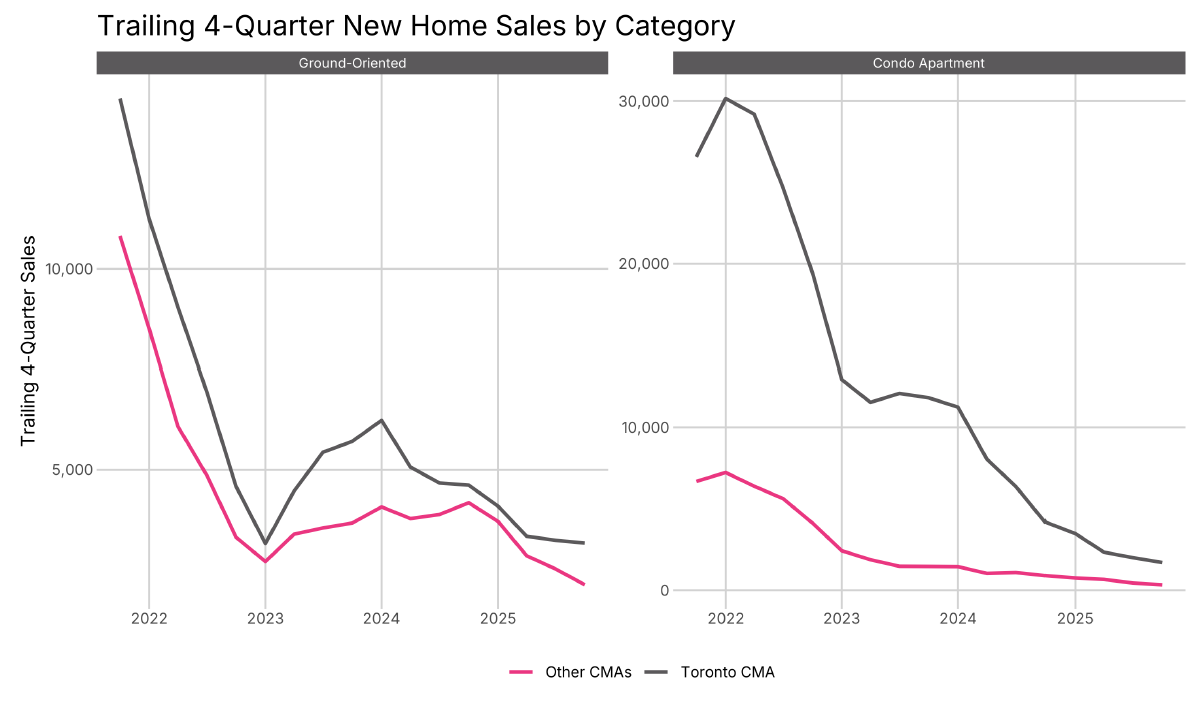
The decline in new home sales is not isolated to a particular housing type or a particular geography, as shown in Figure 1. Sales of all types have diminished substantially from their 2021-22 peaks and continue to decline, with ground-oriented homes in the Greater Golden Horseshoe facing a particularly steep decline in recent quarters.
Half of all municipalities are still receiving an F
Each of our 34 municipalities was assessed across five categories, three reflecting starts (ground-oriented, condo apartments, rental apartments) and two reflecting sales (ground-oriented, condo apartments), and given a grade; see the methodology section for details.
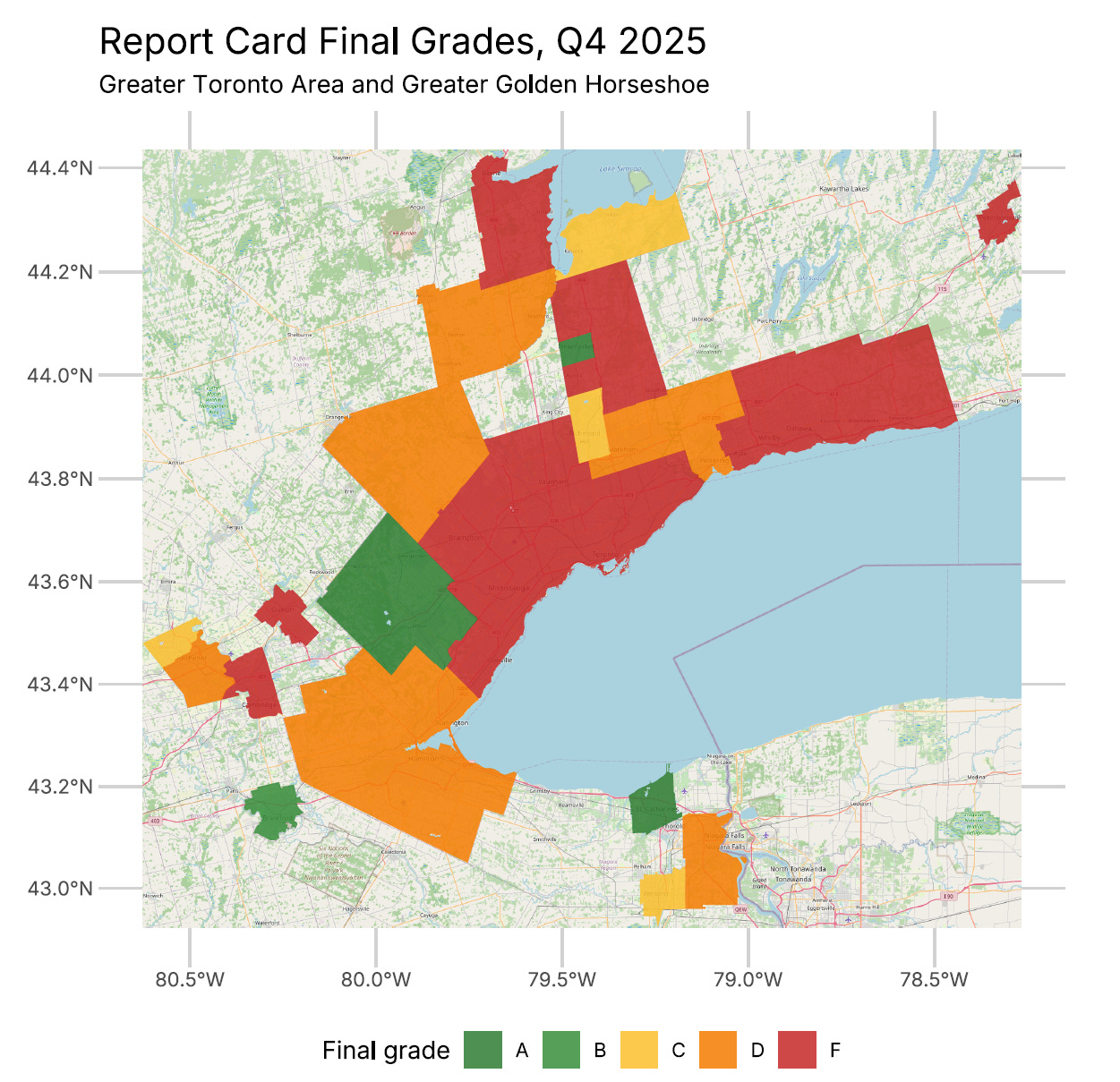
Of our 34 municipalities, 17 (no change vs. Q3 2025) received an F, another 8 (-1 vs. Q3 2025) received a D, and the remaining 9 received a C or higher (+1 vs. Q3 2025). For the full year, municipalities that received a B or higher include Halton Hills (A), Milton (A), Newmarket(A), Brantford (B), and St. Catharines (A). Even in these outperforming municipalities, the decline in new home sales, both condos and ground-oriented, suggests that the outlook for 2026 housing starts remains quite grim.
Help is on the way, but implementation is vital
The high taxes on new home construction, including development charges that have risen by over 5,000% in 25 years in some municipalities, along with the fall in resale prices, are primary drivers in the reduction in new home sales. Two recent agreements between the federal government and the province of Ontario, to cut development charges by up to 50% for three years, and to reduce or eliminate the HST on new homes for one year, will move the needle and make it easier for young, middle-class families to move into new homes.
However, plenty of implementation work is needed to translate announcements into lower prices for buyers. Both the provincial and federal governments need to pass legislation, and a system must be put in place to distribute these rebates. While the rebate applies to homes with a purchase and sale agreement dated from April 1, 2026, to March 31, 2027, ongoing uncertainty risks putting a chill on new sales.
The development charge initiative is less developed, with details still to be released on the starting date and size of the reductions for a given housing type in a particular municipality. Builders will naturally take a “wait and see” attitude until the reductions are in place.
These two measures will lower construction costs and make new homes more attainable for families who need them. Governments must move quickly to implement.
Figure 2: Report Card Summary, Toronto CMA
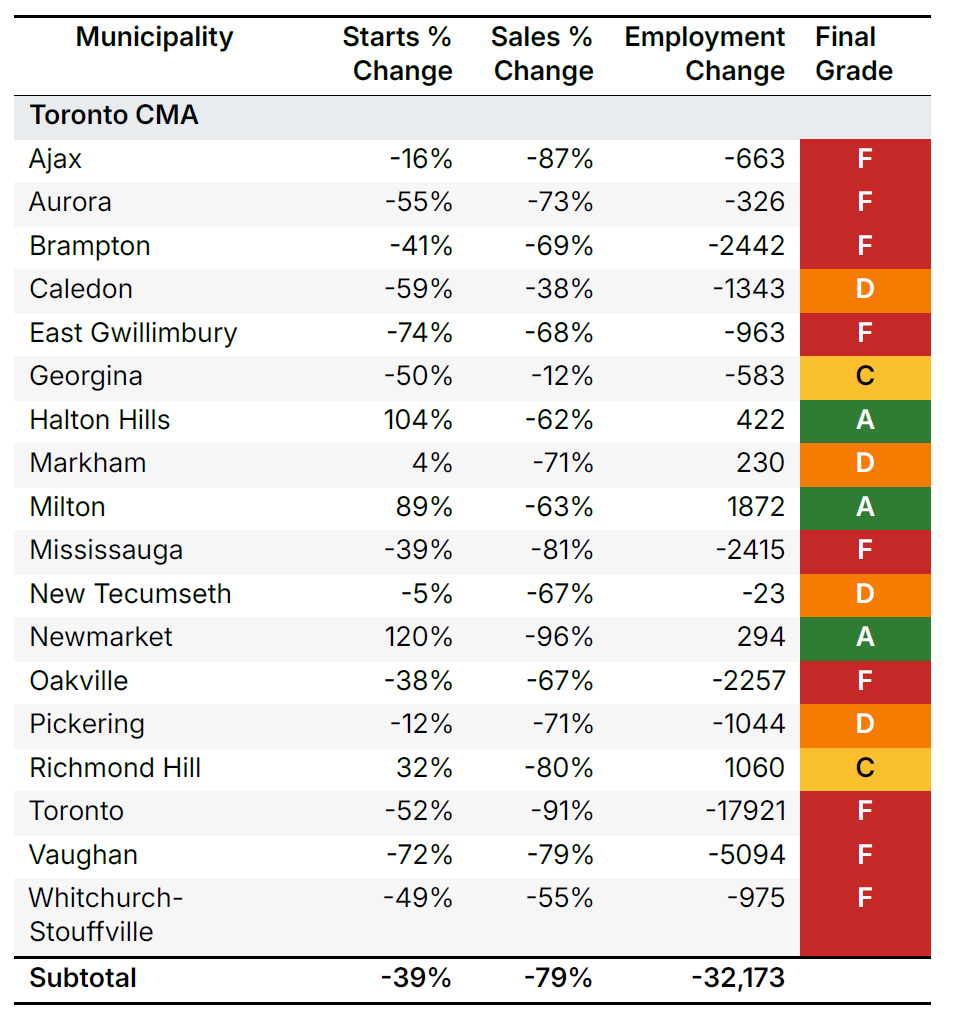
Figure 3: Report Card Summary, Other CMAs
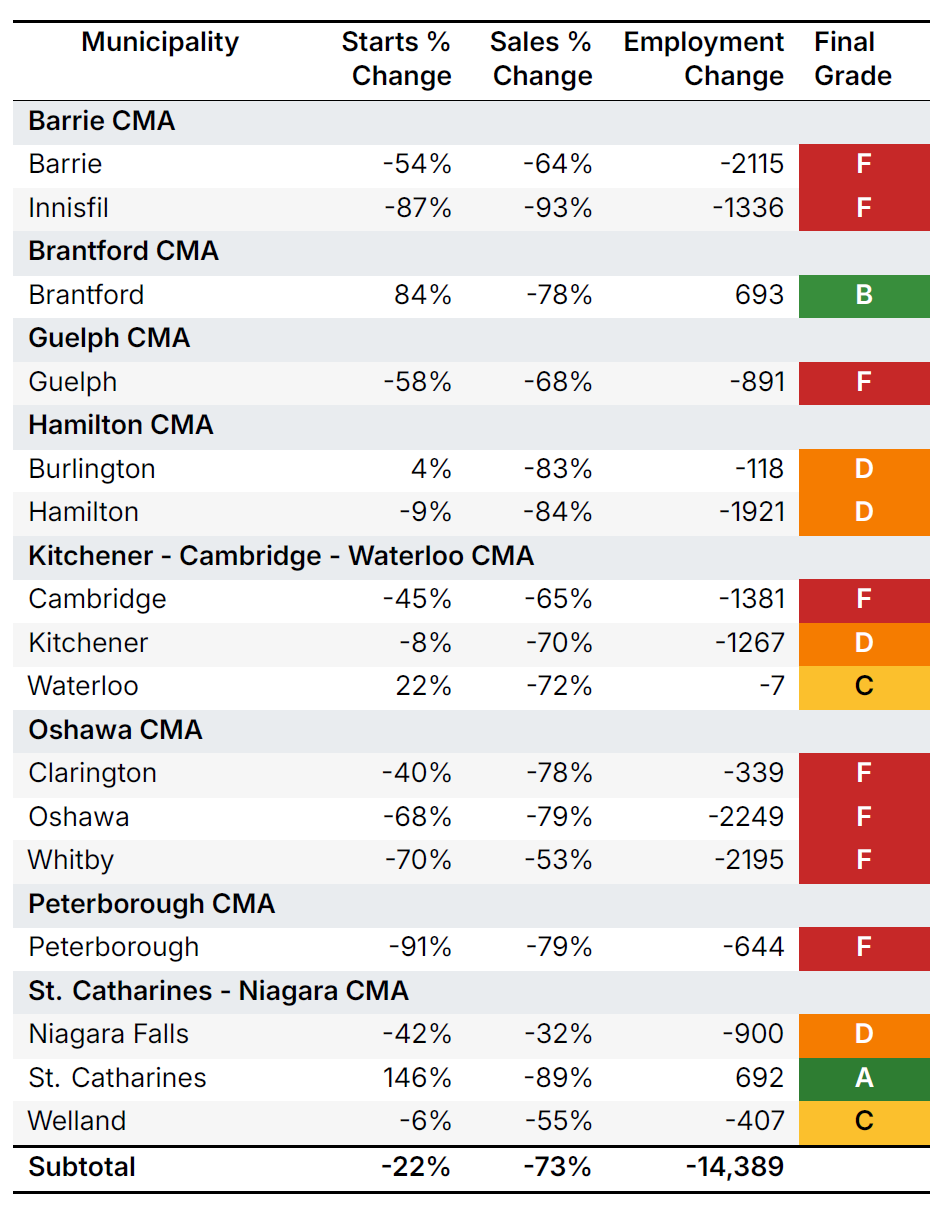
Figure 4: Map of Report Card Final Grades
For a PDF copy of the report, click on the link below:
